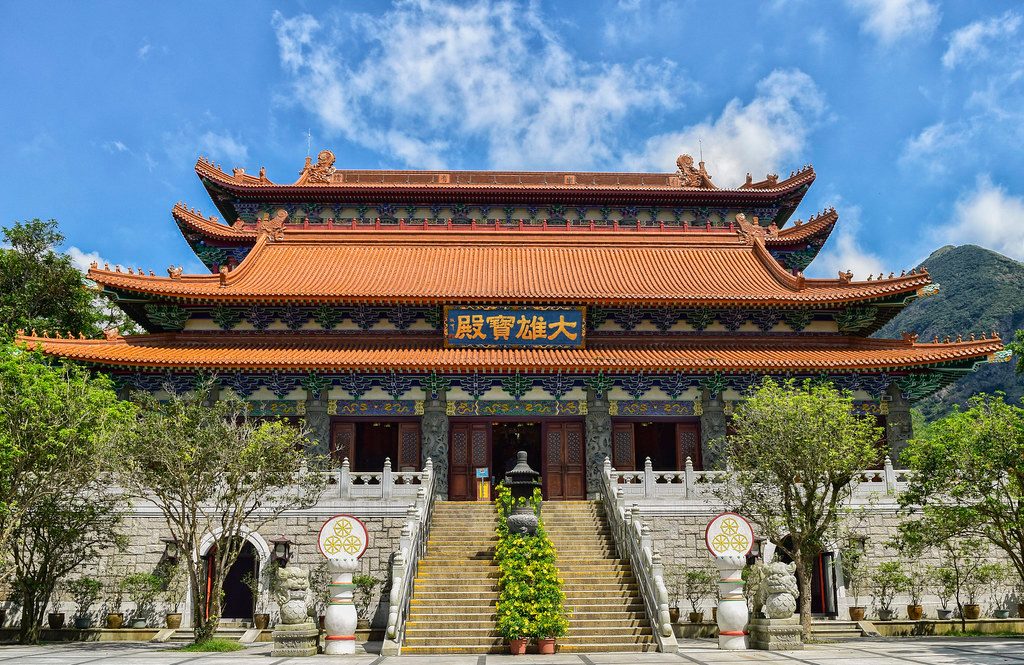
Po Lin Monastery
3 min walk
Located directly opposite the Buddha, this historic monastery features ornate architecture and provides a quiet space for reflection.
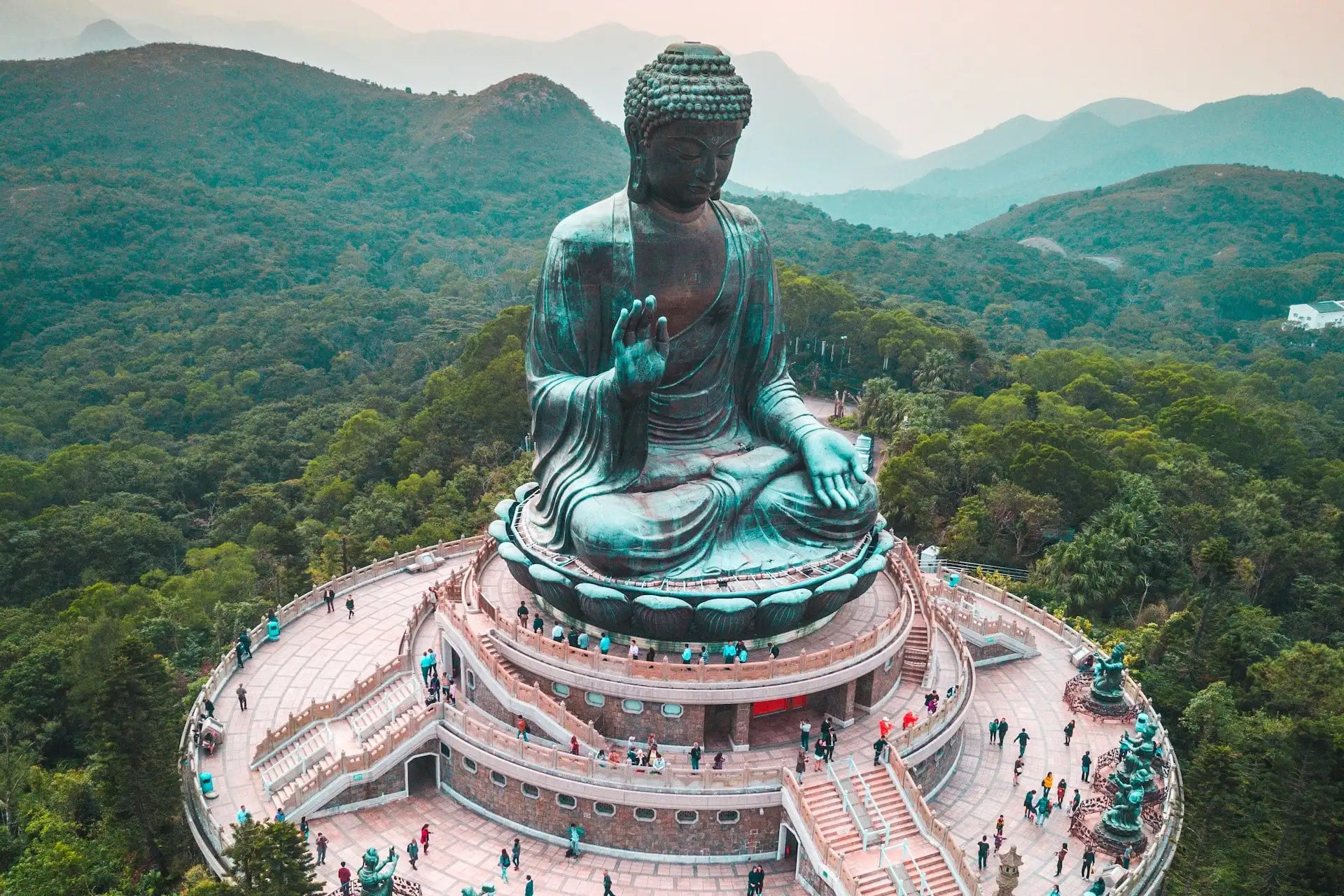
Reaching the monumental bronze statue requires navigating a mix of urban rail lines and mountain infrastructure. This how to get to lantau island guide outlines the logistics of traveling from central Hong Kong to the remote Ngong Ping plateau.
Quick answer
The primary route to Tian Tan Buddha involves taking the MTR to Tung Chung Station, then transferring to the Ngong Ping cable car or New Lantao Bus No. 23. The site is located at Ngong Ping, Lantau Island, Hong Kong, and outdoor access is 0 HKD. Target a 10:00–12:00 arrival window for the most efficient transit.
Before the completion of modern aerial transit infrastructure in 2006, reaching the Po Lin Monastery and its monumental bronze centerpiece required a grueling multi-hour journey involving ferries and winding, single-lane mountain roads. Today, the Ngong Ping plateau is highly accessible from central Hong Kong, transforming a formerly remote religious retreat into one of the region's most prominent cultural landmarks. Understanding how to get to lantau island effectively involves choosing between speed, scenic value, and budget. The journey transitions from the dense urban grid of Kowloon or Hong Kong Island to the lush, mountainous terrain of the Pearl River Estuary. While the destination feels secluded, the transit network is highly developed and designed to handle substantial daily visitor volumes. Most visitors begin their transit by utilizing the Mass Transit Railway system to reach the northern coast of the island. From there, the final ascent to the statue requires a shift in transportation modes. The aerial ropeway provides a direct glide over Tung Chung Bay and Lantau North Country Park, while the local public bus fleet navigates the steep, switchback-heavy South Lantau Road. Figuring out your preferred Lantau Island transport strategy often depends on weather conditions and crowd levels. High winds can occasionally pause the ropeway operations, making the bus network the primary reliable fallback. Regardless of the chosen method, the final approach deposits travelers at a pedestrian village, a short walk from the base of the monument. Navigating the route efficiently requires checking the daily weather forecast and monitoring the local transit schedules. Because the statue sits at an elevation of nearly five hundred meters, conditions at the summit frequently differ from the sea-level urban centers. Heavy fog can obscure visibility along the mountain roads, impacting both the visual experience and the speed of the ascent. When planning your Hong Kong Big Buddha transit, consider the return journey as well, especially as the afternoon crowds begin their descent before the site's scheduled 17:30 evening closure. During peak summer months, such as August, sudden rain showers can also alter transportation timelines. Securing return transit early ensures a smoother transition back into the city, avoiding the long queues that often form in the late afternoon. Ultimately, researching how to get to lantau island allows travelers to allocate less time to navigation logistics and more time to exploring the 268 steps leading up to the lotus throne.
“The journey transitions from the dense urban grid to the lush, mountainous terrain of the Pearl River Estuary.”
The Tian Tan Buddha is located at Ngong Ping on Lantau Island. The most common routes involve traveling via Tung Chung on the northern coast of the island.
MTR Tung Chung Line to Tung Chung Station
New Lantau Bus route 23 from Tung Chung Town Centre to Ngong Ping Village
Ngong Ping 360 from Tung Chung Cable Car Terminal to Ngong Ping Terminal
For the fastest journey from the MTR station, proceed to the adjacent Tung Chung Cable Car Terminal or the bus terminus.
The Tian Tan Buddha is open daily to visitors throughout the week. Please refer to the schedule below to plan your visit within these operational hours.
Access to the Tian Tan Buddha statue and the surrounding outdoor areas is provided at no cost to visitors. Fees may only apply if you choose to enter the interior exhibition halls located within the base of the statue.
Verdict: A typical adult pays 0 HKD for general access, with costs only occurring if entering the internal exhibition halls.
The best arrival window is 10:00–12:00 to avoid peak mid-day crowds and ensure sufficient time before the 17:30 closing. Arriving early allows for a quieter experience before tourist groups reach Ngong Ping.
—
Visiting on weekdays provides the most space for navigation. Arriving at opening avoids the mid-day arrival of tour buses.
Cooler, 20°C–25°C
These months offer the most comfortable temperatures for visitors. Dry conditions are common during this period.
Hot and humid, 28°C–32°C
Humidity and high temperatures persist, particularly in July and August. Seek shade regularly during these months.
Verdict: Tuesday to Thursday, arriving at 10:00 during October or November provides the most manageable crowd levels and comfortable weather.
Navigating the physical approach to the Tian Tan Buddha takes about 15 to 20 minutes from the ground level to the upper viewing platform.
Walk across the Ngong Ping piazza to the base of the staircase. Visitors often forget to apply sun protection before leaving the shade.
Start your climb up the central stairs leading to the statue. A common error is rushing the initial flights and causing rapid fatigue.
Pause on the wide landings positioned between the flights of stairs. Climbers frequently block the center channel, so step aside to let others pass.
Walk around the exterior ring at the top for open views. People tend to cluster right at the stairs and miss the empty space on the opposite side.
Pass through the doors into the base of the lotus throne. Many assume all sections are free, but accessing these specific inner rooms requires an exhibition fee.
Follow the directional signs to make your way back to ground level. Visitors sometimes use the ascending lanes to go down, creating hazards for climbers.
The Ngong Ping plateau contains several significant cultural and natural landmarks that complement a visit to the Tian Tan Buddha. These locations are within walking distance, allowing you to explore the area thoroughly after your arrival.
3 min walk
Located directly opposite the Buddha, this historic monastery features ornate architecture and provides a quiet space for reflection.
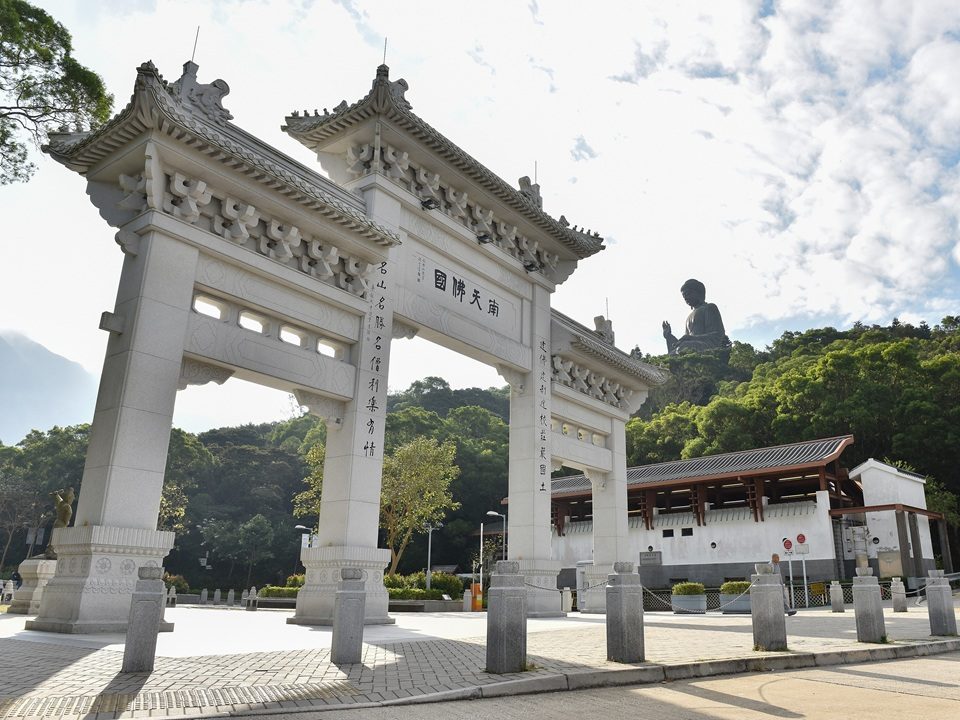
1 min walk
This open space serves as the central hub of the village and offers a clear vantage point for viewing the statue.
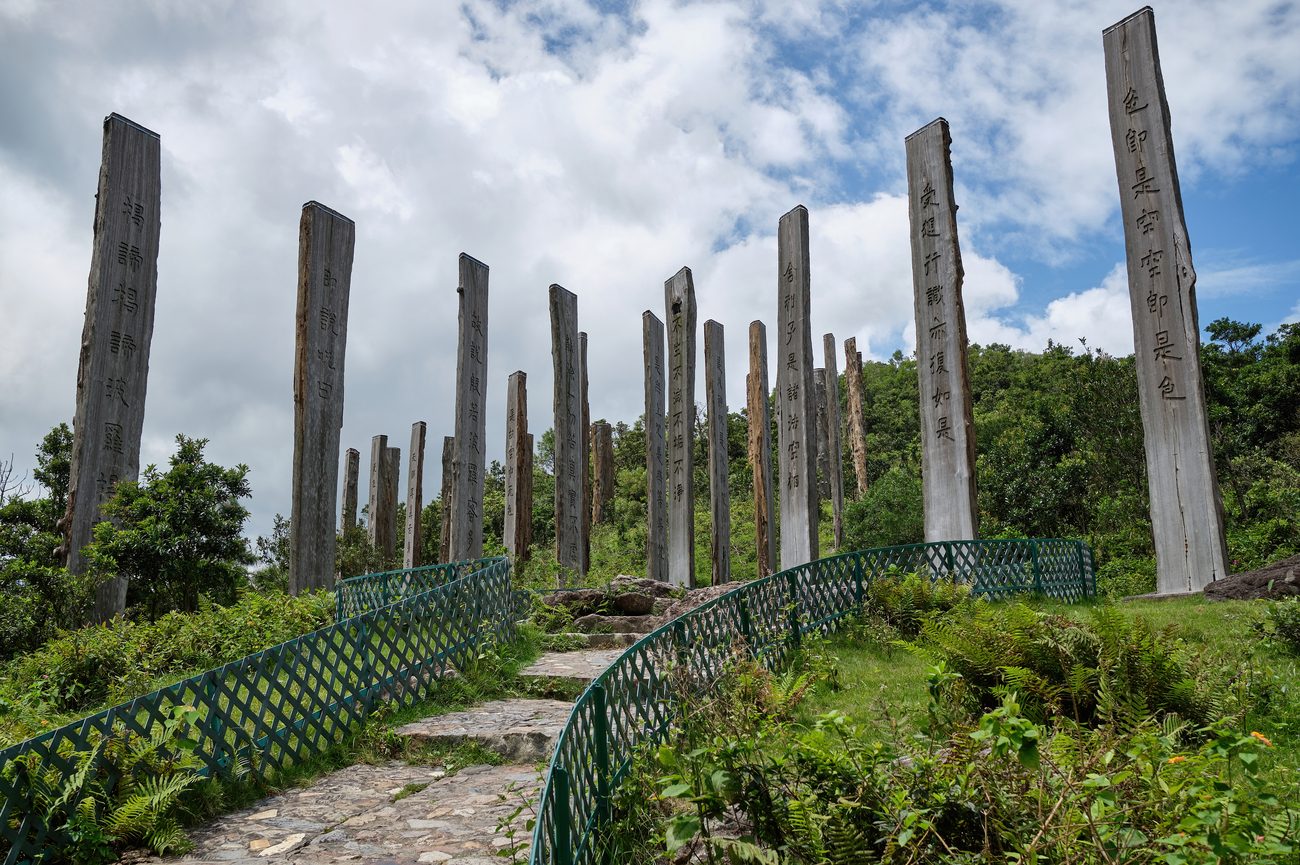
15 min walk
This trail features 38 wooden columns inscribed with the Heart Sutra and offers a quiet outdoor experience away from the main square.
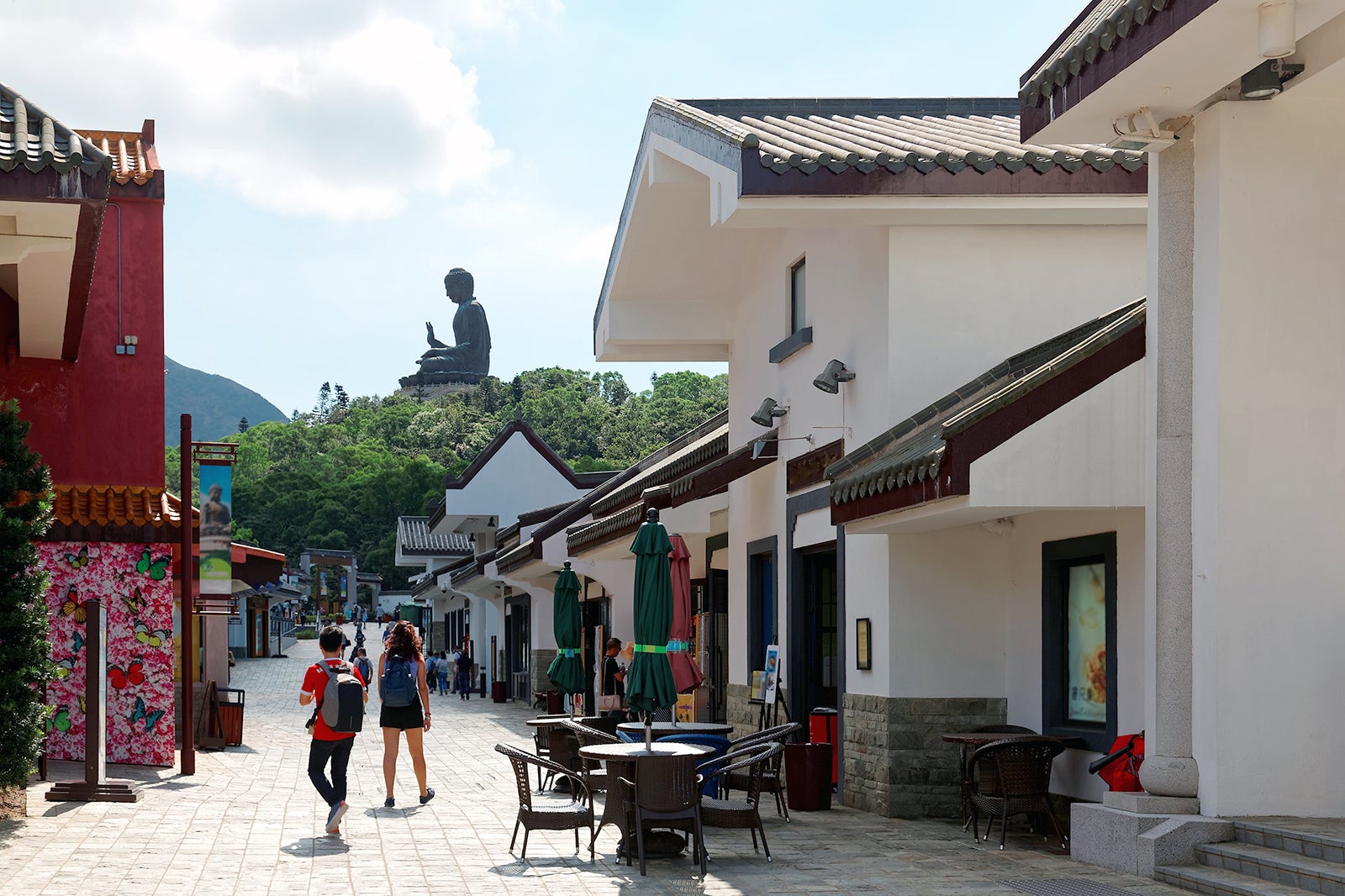
2 min walk
This themed village hosts various cultural exhibits and dining options, serving as a practical starting or ending point for your visit.
Everything you need to know about how to get to lantau island
Most visitors learn how to get to Lantau Island by taking the MTR to Tung Chung Station followed by the Ngong Ping 360 cable car or public bus. This route provides a scenic way to experience Hong Kong geography and navigate to the mountain plateau.
There is 0 HKD entrance fee for the statue and outdoor areas. You can explore the plaza and the base of the monument without purchasing a ticket.
The best arrival window is 10:00–12:00 to avoid peak mid-day crowds and ensure you have sufficient time before closing. Arriving early helps you better enjoy the bronze statue and surrounding mountain atmosphere.
You must climb 268 steps to reach the viewing platform at the base of the statue. Ensure you are prepared for this physical ascent when planning how to get to Lantau Island for sightseeing.
While the outdoor plaza is free, fees apply for interior exhibition halls within the pedestal. Please check the official site for information on those specific areas if you wish to see the relics.
Beyond the cable car, you can research how to get to Lantau Island via the New Lantao Bus route 23 from Tung Chung. Both transport methods serve as primary links to the Ngong Ping village area.
Yes, the statue is open daily, including weekends, from 10:00 to 17:30. This consistent schedule makes it easier to fit into your travel itinerary.
Lantau Island Day Trip Itinerary
Read more GuideTop Sights on Lantau Island
Read more GuideLantau Island Tour Costs and Entrance Fees
Read more Tickets & toursLantau Island Half Day Tour
Read more Tickets & toursLantau Island Day Trip from Hong Kong
Read more Tickets & toursBig Buddha & Tai O Fishing Village Tour
Read more GuideLantau Island Tours with Cable Car
Read more